

Life After the “I Do”: A Guide to Non-Compensatory Spousal Support
In Canada, non-compensatory spousal support is a needs-based financial arrangement designed to address the economic hardship a spouse faces after divorce or separation. Unlike compensatory support, which compensates a spouse for sacrifices such as staying home to raise children, non-compensatory support focuses on the “merger over time” between partners. It aims to bridge the gap...Read More
Beyond Common Law: A Guide to the Adult Interdependent Relationships Act
The Adult Interdependent Relationships Act is a specialized piece of legislation in Alberta that legally recognizes unmarried couples, and, in some cases, non-romantic partners, who have significantly merged their lives. While other provinces use “common law” as a broad term, Alberta has replaced it with the concept of Adult Interdependent Partners (AIPs). Individuals enter this...Read More
The Legal Definition of Cheating in Marriage: Types, Laws, and What Happens in Court
Infidelity is devastating. But when a marriage starts to fall apart, one of the first questions people ask is a practical one: Does cheating actually matter in a court of law? The answer is more complicated than a simple yes or no. Understanding the legal definition of cheating in marriage can be the difference between...Read More

Polygamy in Canada: What Section 293 Means for Your Rights and Legal Protection
Polygamy remains illegal in Canada under Section 293 of the Criminal Code. This law criminalizes any conjugal union involving more than one person simultaneously. Penalties reach up to five years in prison. Yet beneath this clear prohibition lies complexity around religious freedom, victim protection, and what actually constitutes a prosecutable relationship. Quick Takeaways: Current Law:...Read More
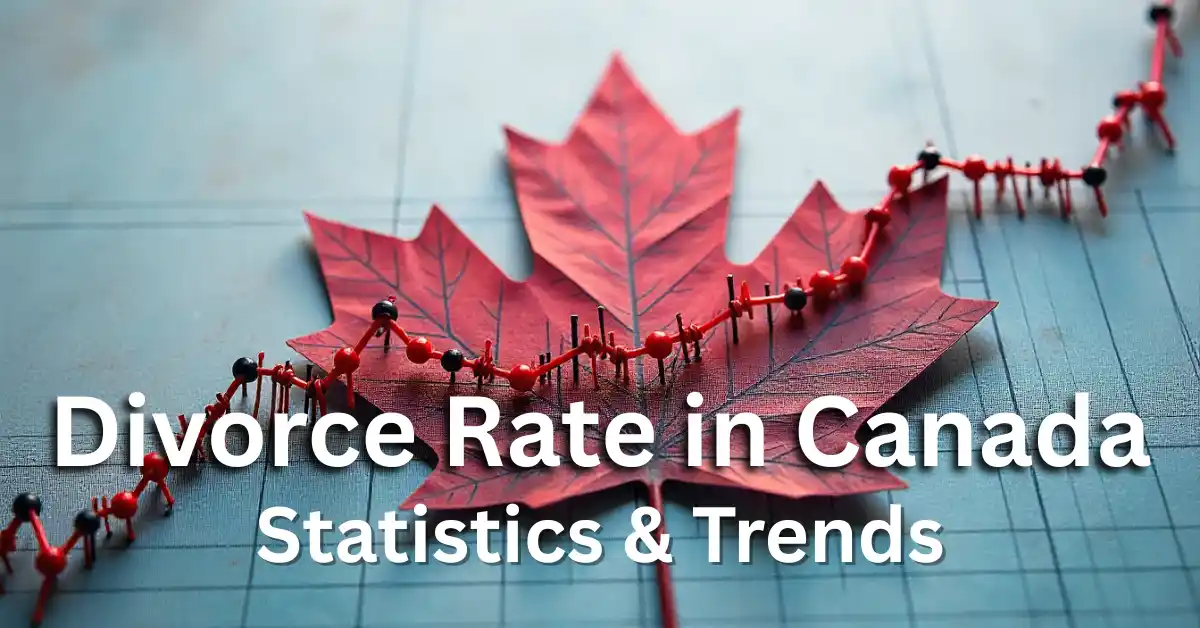
Divorce Rate in Canada: Latest Statistics, Trends, and the Regina Outlook
Canada’s divorce landscape tells an unexpected story. The national divorce rate has dropped to 5.6 per 1,000 married people. This marks the lowest point in 50 years. [Source- CBC Canada] Courts granted only 42,933 divorces in 2020, down from 56,937 in 2019. Yet beneath these falling numbers, a different pattern emerges among older Canadians who...Read More

Simple Vs Joint Divorce in Canada-When The Decision is Mutual
In Canada, if you want to break up a marriage, you have to trek either a contested or an uncontested path. It depends on whether the divorce is mutual or disputed. Simple and joint divorces are examples of the uncontested type, where spouses come to terms over post-divorce arrangements without court interference. While one process...Read More

Understanding Contested Divorce: Challenges of Complex Separations
Among all the ways to dissolve a marriage in Canada, a contested divorce is the worst-case scenario. It happens when spouses can’t reach an agreement over property division, child care responsibilities, and alimony allocation during a divorce. Resolution requires court involvement. In most cases, a contested divorce takes about a year to get a verdict....Read More

Can You Remarry The Same Person After Divorce Under Canadian Law
It’s common for divorced people to get caught in nostalgia and crave each other’s company. It’s even more common for couples with children to get back together to ensure their future. And in Canada, the law treats remarriage between the same person as a regular marriage. Couples planning a re-partnership are meant to follow the...Read More

What Makes Parents And Home Unfit For A Child?
The law in Canada is strict in handling cases related to child care failures. When a child is noticed not getting a nourishing environment, or being treated with negligence and abuse, a report can lead to a parental-unfit charge. Whether the reason involves real aggression or just incapability, the court may address it with rehabilitation...Read More


